
Conditions We See
Blood Sugar and Diabetes: The Patterns Standard Care Misses, Mason, OH
Diabetes, and the prediabetic patterns that lead to it, is rarely just about blood sugar. By the time fasting glucose trips a diagnostic threshold, the body has been signaling for years.
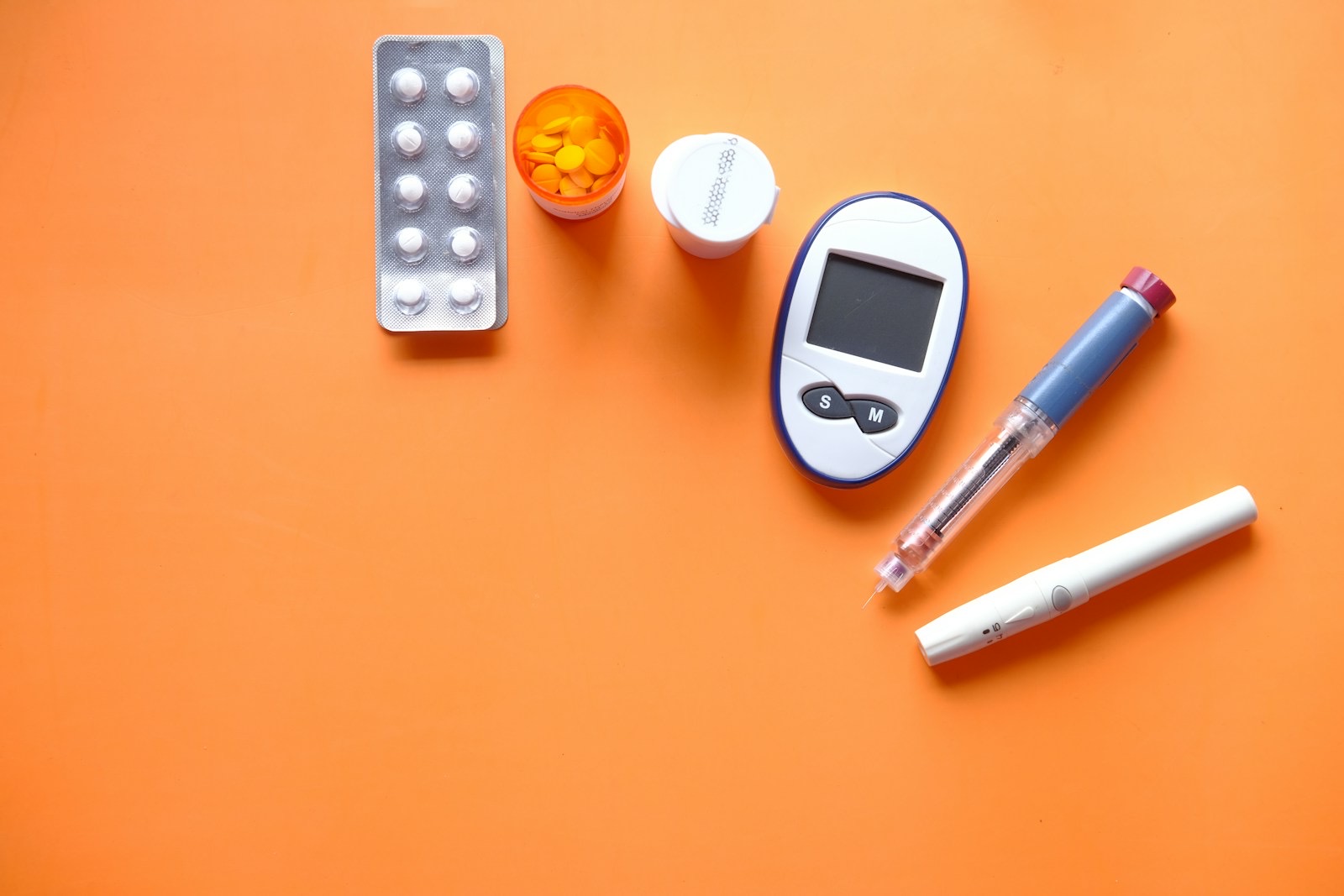
If your doctor told you your fasting glucose is “just a little high”, or if you’ve been told you’re “borderline diabetic” and to come back next year. You’re catching a window. Don’t waste it.
Diabetes, and the prediabetic patterns that lead to it, is rarely just about blood sugar. Inflammation, hormone imbalance, gut function, nutrient status, and chronic cellular stress are all part of the picture, and they almost always start years before a fasting glucose number trips the diagnostic threshold. Standard care focuses on managing glucose with medication once the line is crossed. We look at why your body’s blood sugar regulation drifted in the first place.
Your body was designed to maintain blood sugar in a tight range. When it stops, that’s information.
Symptoms Patients Describe to Us
These often show up before fasting glucose is officially “high”:
- Energy crashes 2-3 hours after meals: especially after carb-heavy meals
- Cravings that feel uncontrollable: sugar, bread, pasta, sweets in the afternoon
- Belly fat that won’t move despite eating less and exercising more
- Frequent thirst, frequent bathroom trips
- Family history of type 2 diabetes, especially in parents or siblings
- Skin tags, dark patches on the neck or armpits (acanthosis nigricans, a real insulin-resistance signal)
- Brain fog, especially after eating. Your brain is your body’s biggest sugar consumer; it shows up first when the system is dysregulated
What Most Doctors Miss
Standard blood sugar screening looks at fasting glucose and HbA1c. Both are lagging indicators: by the time they’re abnormal, dysregulation has been happening for years.
The early-warning system most doctors don’t run is fasting insulin. Insulin levels rise long before glucose does. Your pancreas works harder and harder to keep glucose normal until it can’t anymore. That window: high insulin, normal glucose, is where the greatest opportunity for change exists, and it’s invisible on a standard panel.
A complete blood-sugar picture asks:
- Fasting insulin: how hard is the pancreas working?
- Fasting glucose + HbA1c: what’s the lagging indicator showing?
- HOMA-IR calculation: combines insulin and glucose to estimate insulin resistance
- C-peptide: measures real pancreatic output
- Inflammation markers (hs-CRP): inflammation drives insulin resistance
- Thyroid panel: hypothyroidism mimics and worsens metabolic dysfunction
- Cortisol pattern: chronic stress hormone elevation drives blood sugar instability
- Nutrient status: magnesium, chromium, vitamin D all play roles in glucose regulation
When we run the full panel, we frequently catch insulin resistance 5–10 years before standard screening would.
The 3 T’s Behind Blood Sugar Dysregulation
- Toxins: refined sugars, oxidized vegetable oils, environmental endocrine disruptors, and chronic low-grade infections all impair insulin signaling. The cell’s ability to respond to insulin is chemically sensitive.
- Thoughts: cortisol from chronic stress directly raises blood sugar by signaling the liver to release stored glucose. Sustained over years, this trains the system into insulin resistance even with a “good” diet.
- Traumas: physical inactivity is a major driver. Muscle is the largest glucose-disposal tissue in the body. Sitting all day means glucose has nowhere to go.
You may have one of these driving the bus. Most patients have all three.
Our Testing Approach
Tests are recommended, never required. Common panels:
- Fasting insulin + glucose + HbA1c: the trio that catches insulin resistance early
- Full metabolic panel, liver, kidney, electrolytes
- Lipid panel with particle sizes: insulin resistance changes lipid patterns long before glucose moves
- Thyroid panel: closely intertwined with metabolic health
- Vitamin D + magnesium + omega-3 index. The cheapest, most underrated levers
Working Alongside Your Medical Team
If you’re already on metformin, insulin, or any diabetes medication, we don’t change it. Medication decisions stay with your prescribing physician, and we’d never recommend reducing or discontinuing a diabetes drug without their direct involvement.
Our role: help you understand the upstream factors and build resilience around them. Nutrition, movement, stress, sleep, supplementation. If the changes work and your numbers improve, your doctor can decide whether and how to adjust medication.
Diabetes is a serious condition. We complement your medical team; we don’t replace them.
What a Health Restoration Plan May Include
- Targeted nutrition: focused on insulin sensitivity, not just calorie counting
- Resistance training and walking. Both have profound metabolic effects independent of weight loss
- Stress and sleep work. Cortisol regulation matters more than most patients realize
- Specific supplementation: magnesium, chromium, berberine where appropriate (under guidance, not as a self-medication shortcut)
- Coordination with your prescribing physician. So any medication adjustments are theirs to make as the picture changes
Ready to See the Full Picture?
Catching blood sugar dysregulation while it’s still responsive to lifestyle change is one of the most impactful moves in metabolic health. The Wellness Way - Mason serves patients across Mason, West Chester, Loveland, Lebanon, and the greater Cincinnati area.
We don’t guess: we test. And we look at blood sugar like the system it actually is, not a single number on a fasting panel.
Schedule a Discovery Consultation, let’s start asking the right questions.